
Apply a generous, even amount to all exposed skin and follow the label. For the face, neck and ears together, Cancer Council Australia gives about one teaspoon as a guide for an average adult. A finger rule is a reminder, not an exact dose: fingers, nozzles, textures and skin areas vary.
Think about the area, not one little dab
- Face: remember temples, hairline, nose and jawline.
- Neck: cover the exposed front, sides and back.
- Ears: include the tops and backs if uncovered.
- More exposed skin: a low neckline or bald scalp needs more attention and product, or clothing.
What does 2 mg/cm² mean?
The European sunscreen recommendation describes the test application of 2 milligrams per square centimetre used to determine SPF. This is mass per skin area, not a universal number of pumps. Applying less can substantially reduce protection; the remaining SPF cannot be calculated with simple arithmetic.
A millilitre measures volume; a milligram measures mass. Without the formula’s density and your skin’s surface area, you cannot convert them exactly. We therefore do not offer a personal SPF calculator based on a selfie or your age: it would suggest precision it cannot deliver.
A teaspoon or two fingers?
Cancer Council Australia uses about one teaspoon for the face, neck and ears together as a practical adult guideline. That is not the same as one teaspoon for a small part of the face. Consider the product instructions and the actual area you need to cover.
The finger rule involves squeezing strips of product along your fingers. Their length and thickness vary with the person and packaging. Use it to remember to apply generously, not as proof that every strip contains a fixed dose. A different pump may dispense a different amount too.
A routine that helps you notice missed areas
Distribute the required amount across recognisable zones such as forehead, cheeks, nose, chin, neck and ears. Work carefully towards even coverage. If you prefer two passes, divide the same total amount between them; two very thin passes do not automatically correct an insufficient dose.
Read the instructions for the eye area and keep the product out of your eyes. Sunglasses and a hat help protect the surrounding area. If a product feels uncomfortable there, do not rub harder; find a suitable alternative approach.
A good start is not the whole day
The NHS recommends generous, repeated application alongside clothing and shade. Swimming, sweating and towel drying can call for another application. Our label guide for active days explains why water resistance does not remove this need.
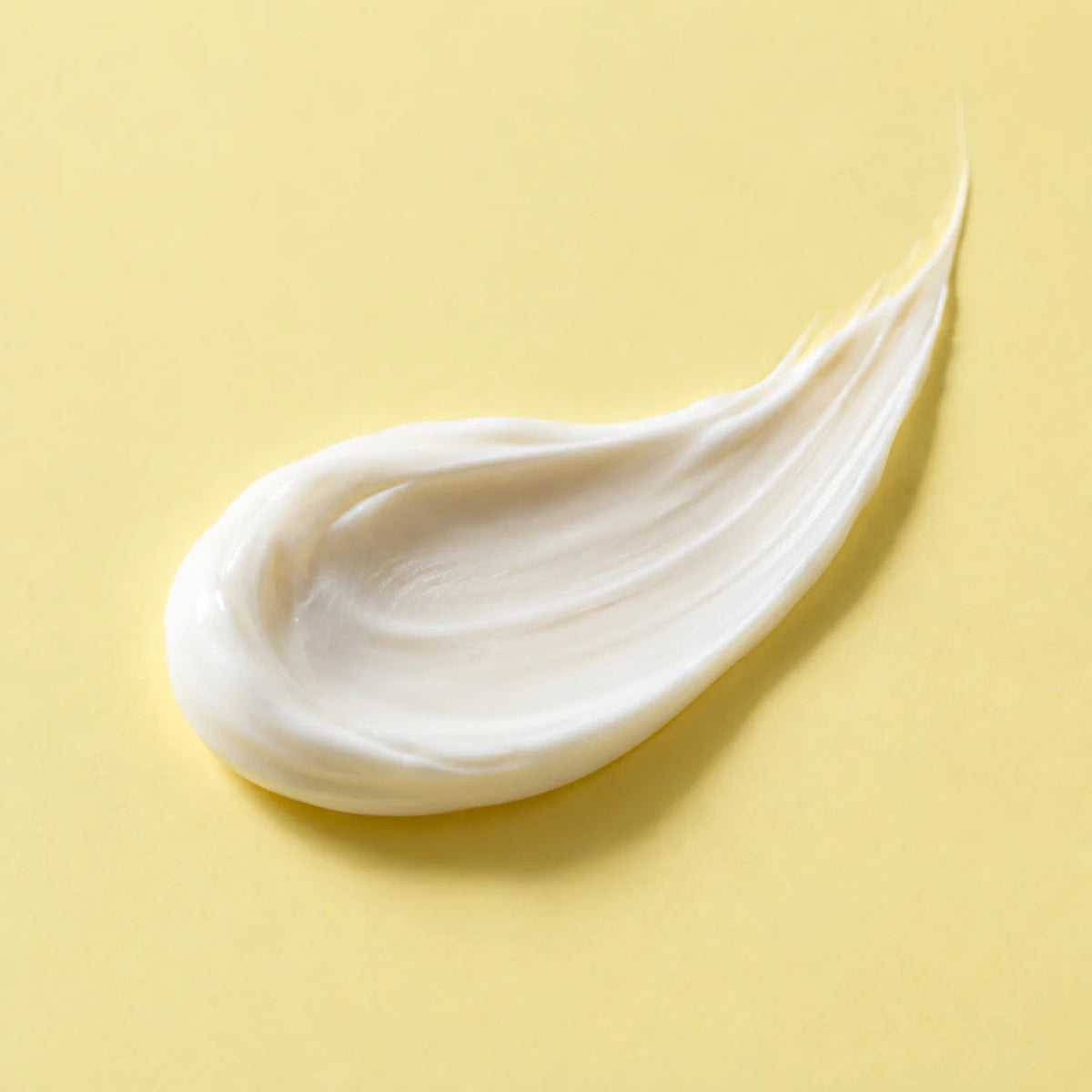
Does using enough feel uncomfortable under skincare? See the sunscreen-under-makeup routine or the comparison between SPF moisturiser and sunscreen. A pleasant texture should make generous application easier. That is a Soluveli goal too; final properties will follow development and testing.
A pleasant daily routine is our ambition too. Discover what we are developing at Soluveli.
Be the first to hear when we launchSources & further reading
Explore the guidance and research behind this article. Original publication titles are retained; sources open in a new tab.
About this article
General information about sun protection. The cited sources do not study a Soluveli product; our formula is still in development.