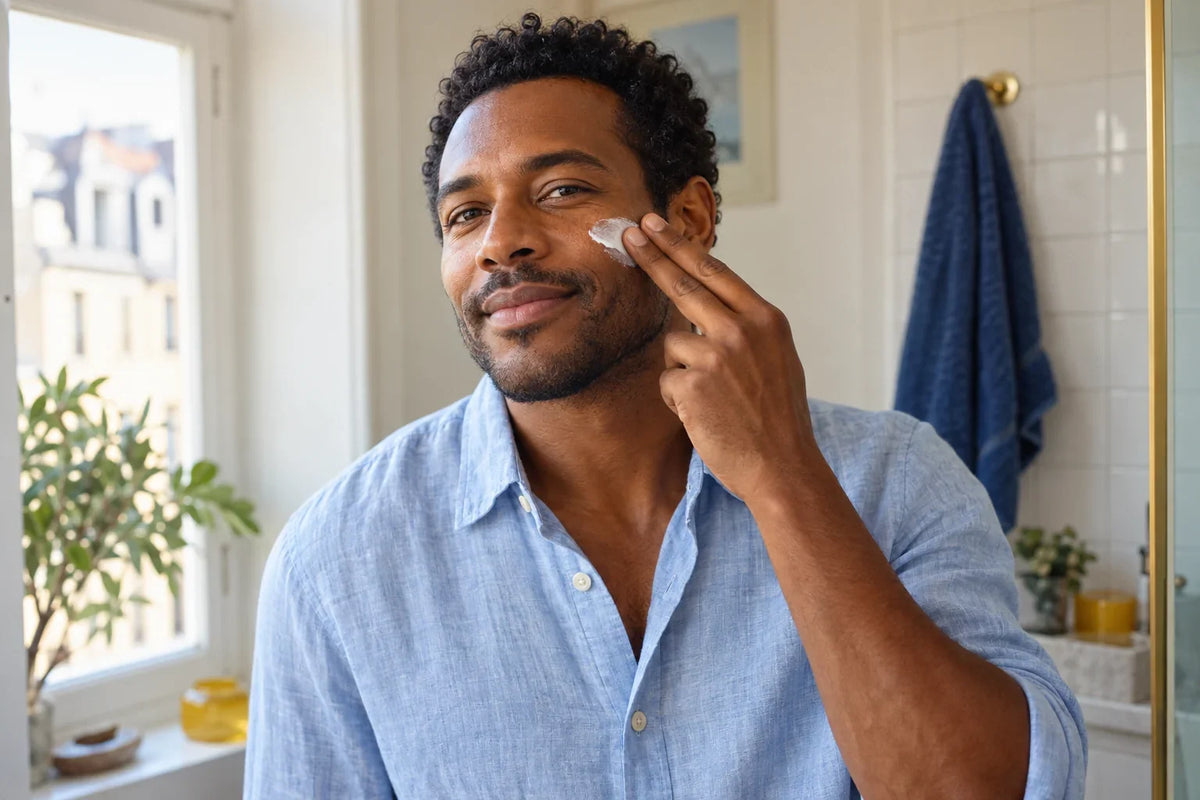
Milia usually need no treatment when a healthcare professional has confirmed what they are and they do not bother you. Do not squeeze or pierce them yourself. Wash gently, use skincare you find comfortable and discuss removal if the bumps are troublesome. If you are unsure whether a bump is a milium, have it assessed first. Treating it yourself is particularly unwise around the eyes. [1] [2]
What is a milium?
A milium is a small cyst containing keratin, a protein found in skin. It usually looks like a small white or yellowish bump just below the surface. Milia often appear on cheeks and eyelids. They are not acne spots or a sign that you are washing badly. Location and colour alone are not enough to identify every bump yourself. [1] [2]
A blocked pore, another cyst or a different skin growth can look similar. Deciding what to do starts with a proper assessment. This article is for adults: the often rapid disappearance of milia in babies is not a timetable for your skin. The photos illustrate everyday skincare situations, not a diagnosed condition.

Why you should not squeeze or pierce them
A white tip does not turn a bump into a spot you can pop. Squeezing, scratching or opening it yourself can cause a wound, scarring or infection. Put away the needle or skincare tool, even when a video makes the procedure look easy. Give your skin a break instead of repeatedly trying again. [2]
If you arrange an appointment, note when you first saw the bump, whether it is changing and whether you recently changed your routine. Bring a product list if helpful. This supports the conversation; it does not prove one cream caused the problem. Change prescribed treatments only in consultation with your clinician.

Wash gently and keep your routine manageable
Use lukewarm water and a gentle cleanser. Apply it with your fingertips and rinse gently. Hard scrubbing, a rough brush or extra washing is not a sensible way to remove a milium and may irritate the skin. The AAD recommends washing your face no more than twice daily, and also after heavy sweating. [3]

Then pat dry carefully with a soft towel, without rubbing across the bumps. If your skin already stings or feels tight, simplify your routine first. Our guide to caring for an irritated skin barrier explains that separate skin concern.

A comfortable cream is not a removal treatment
If your skin feels dry or itchy, use a suitable moisturiser that you tolerate well. More layers are not automatically better. Every white bump does not need a new serum, scrub or strong acid. Gentle care helps keep skin comfortable; it should not promise to make a keratin cyst disappear. [3]
Try one change at a time if your routine feels uncomfortable. Our explanation of fragrance-free and hypoallergenic labels helps you understand marketing terms. Neither term guarantees personal tolerance or tells you whether a product prevents milia. Do not start using strong acids or retinoids around your eyes to remove the bumps yourself.

Sun protection remains a separate outdoor step
Milia are no reason to skip sun protection. Outdoors, choose shade, protective clothing and enough UVA/UVB sunscreen with SPF 30 or higher on uncovered skin. Applying sunscreen well helps prevent skin cancer and protects against sunburn and premature skin ageing. Reapply outdoors about every two hours and after swimming or heavy sweating, following the label. Sunscreen does not remove existing milia. [4]
For a lunchtime walk, remember your ears and neck too. Our guide to how much sunscreen to use on your face, neck and ears makes that separate step practical.

Soluveli is developing facial sunscreen. Final ingredients, tested product properties and a launch date are not yet established. On the homepage you can sign up for one email on launch day.
When should you discuss assessment or removal?
Leaving confirmed, untroublesome milia alone can be a good choice. Some disappear by themselves; in adults they can also remain for months or longer. The sources give no single deadline for everyone. If they bother you, persist or leave you uncertain about the diagnosis, discuss your options with a healthcare professional. [1] [2]
Professional removal is different from piercing a bump at home. The right approach depends partly on the assessment and location. For the eye area, ask who can safely perform treatment and what aftercare is needed. Ask what the procedure can achieve and what to expect if new bumps appear later.
Have a bump assessed if it clearly changes, becomes painful or bleeds, instead of continuing to assume it is milia. Contact a doctor promptly for symptoms involving the eye itself, such as pain or reduced vision. [5]

Two common questions
Does exfoliation always help?
No. A scrub or acid is not a universal solution and may irritate. Medical sources describe treatments for specific situations; that does not provide a safe home treatment schedule, especially on eyelids. Discuss persistent concerns instead of applying ever stronger products.
Does every milium need removing?
No. If milia have been confirmed and do not bother you, waiting is an option. You do not need a harmless bump removed simply because you notice it in a magnified photo. Seek assessment when unsure and a calm discussion of the options when it bothers you.
Sources and context
5 sources
- DermNet: what milia are and the available optionsInformation on keratin cysts, other bumps and their variable duration. Our photos do not establish a diagnosis.
- Cleveland Clinic: milia and the limits of home removalCare information on identification, waiting and discussing treatment; no instructions for opening bumps at home.
- American Academy of Dermatology: gentle face washingGuidance on cleansing, patting dry and moisturising. Gentle care is not a proven milia removal method.
- American Academy of Dermatology: sunscreen questionsGeneral guidance on UVA/UVB protection, SPF 30 or higher, shade, clothing and reapplication.
- NHS: eye pain and changes in visionEye symptoms need separate medical assessment; severe or sudden symptoms may need urgent help. This is not milia treatment.