Protect a fully healed scar from the sun with clothing or a hat, seek shade and apply enough broad-spectrum sunscreen with at least SPF 30 to uncovered skin. This can help limit sun-related discolouration. If the wound is still open, weeping or not definitely healed, follow your care team's advice first.
When does this sunscreen advice apply?
This article is about skin after a wound has healed completely. The American Academy of Dermatology (AAD) recommends applying sunscreen only after that healing. Surgery, a burn or a skin treatment may come with specific aftercare instructions. Follow them even if the area already looks settled to you.
If you are unsure whether you can start applying sunscreen, ask the professional looking after the wound or treatment. You do not have to judge healing from a photograph or the number of days that have passed. An extra layer of sunscreen on an open or weeping area cannot replace appropriate wound-care advice.

Why give a scar extra attention in the sun?
According to the AAD, sun protection can help reduce red or brown discolouration of healed skin. The aim is to limit further sun exposure while the scar continues to change. Its current colour cannot tell you how much protection it needs or how it will look later.
A scar may remain visible long after the wound has healed. Many scars gradually fade, but not every type does. A fixed promise about its colour, shape or when it will disappear would be misleading.
Start with what you can cover
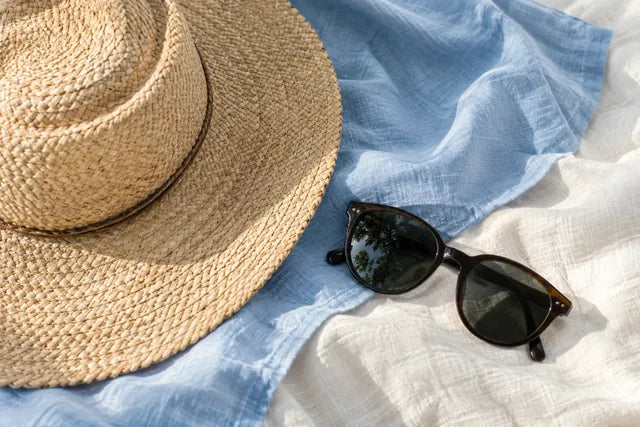
A long sleeve over a scar on your forearm is a practical first step for a walk or cycle ride. Check that the fabric still covers the area when you bend your arm or lift your bag. Seek shade outdoors and consider a wide-brimmed hat to help protect your face.

The NHS advises keeping a scar covered in the sun for at least one year. Treat that as protection advice, rather than a deadline after which the area can automatically cope with UV exposure. Your care team may recommend different or longer aftercare for your scar.
Plan around your time outdoors. Cool weather or cloud cover does not tell you how much UV you will receive. Our guide to the UV index helps you understand the conditions; your personal scar-care instructions still apply alongside it.

What should you apply to uncovered, healed skin?
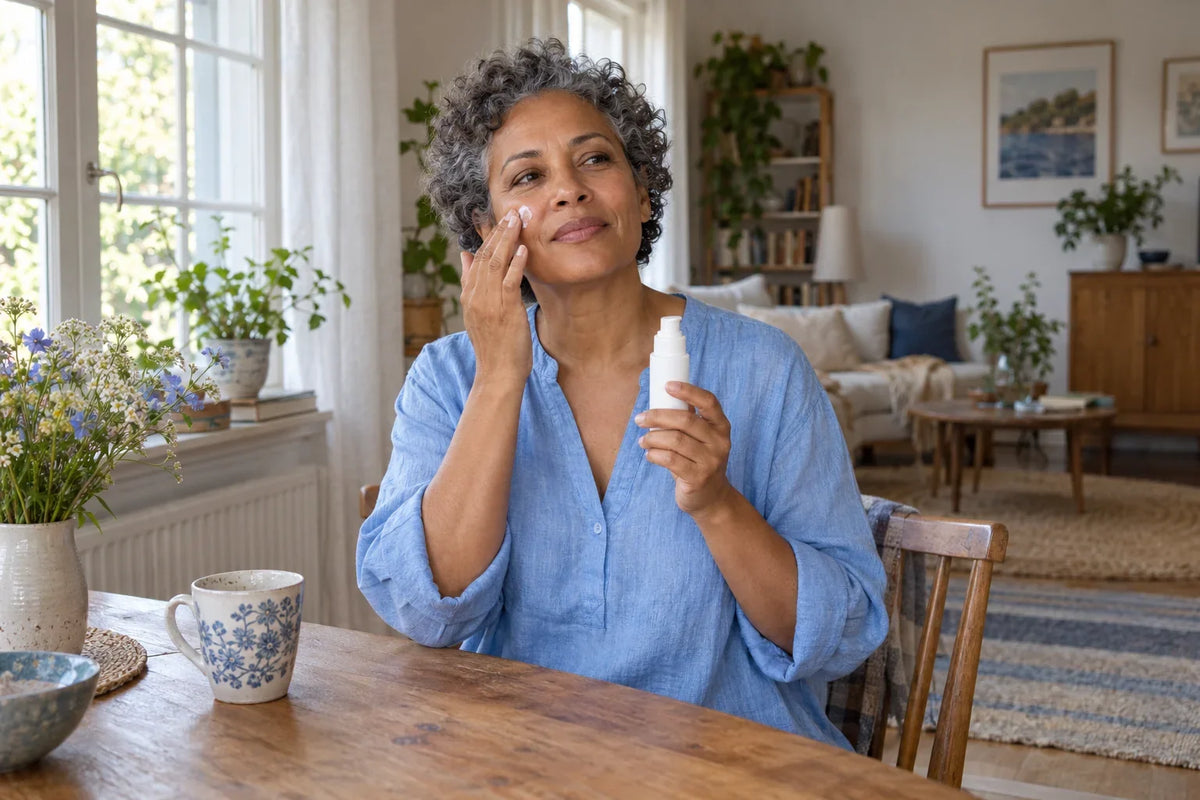
Choose sunscreen with at least SPF 30 and protection against both UVA and UVB, often called broad-spectrum protection. Apply enough to cover the exposed area and surrounding skin evenly, following the label and your aftercare instructions. Include your face, neck and ears: focusing on a small scar should not mean forgetting the rest.
For those larger areas, see our guide to how much sunscreen to use on your face, neck and ears. There is no fixed number of pumps here for an individual scar, because the area and product vary. Spreading a tiny dot very thinly is not a good way to achieve even application.
If you have questions about what your skin tolerates, ask your care team or a pharmacist. Packaging terms do not tell the whole story. Read what fragrance-free and hypoallergenic mean, without treating those words as a scar treatment.

Plan for your next break outdoors too
A longer afternoon outdoors means reapplying. The AAD recommends doing so about every two hours outside, and after swimming or sweating according to the label. Follow the instructions for reapplication after towel-drying or wiping as well. A higher SPF does not remove this step.
Imagine a walk followed by lunch on a terrace: bring your sunscreen, stay in the shade where possible and check that your sleeve still covers the area. After a break during exercise, you may need to renew your protection before carrying on. Planning for that is more useful than relying on the morning application.

Put a hat or suitable clothing by your bag and take the product your aftercare instructions allow you to use. This outdoor plan does not need to become a strict two-hour sunscreen schedule indoors; the point here is actual exposure and the instructions for your skin.

What can sun protection change about a scar?
Sun protection helps limit additional sun-related discolouration. It does not erase an existing scar or guarantee an even skin colour. If a scar remains noticeable, feels tight or bothers you, a discussion about your own situation is more useful than repeatedly trying another sunscreen.
For skin in general, properly used sunscreen, alongside clothing and shade, helps prevent skin cancer, sunburn and premature skin ageing caused by the sun. That general benefit is not a proven treatment for a scar.
When should you ask for help?
Contact a doctor promptly if the area becomes swollen or painful, feels warm or produces pus. Have a scar that continues to bother you or hurt assessed too. If you are unsure about healing or care, first ask your care team what is appropriate for you.

Soluveli is developing facial sunscreen. We do not promise scar results or tested product properties. To follow our progress, you can sign up on the Soluveli homepage for one message at launch.
Sources
4
- AAD — Sun protection after a wound has healedAdvice on broad-spectrum SPF 30 or higher for healed skin. The wound-care steps on this page are not sunscreen advice for an open wound.
- NHS — Scars and sun protectionAdvice to cover a scar in the sun for at least one year, plus symptoms that need medical assessment. Your own aftercare instructions take priority.
- AAD — Choosing, applying and reapplying sunscreenGeneral protection with clothing, shade and sunscreen; reapply about every two hours outdoors and after swimming or sweating, following the label.
- AAD — Will a scar go away?Many scars fade over time, but not every type does. Sun protection does not promise to make a scar disappear.