Regular sunscreen use helps prevent skin cancer. Sunscreen reduces the ultraviolet radiation reaching your skin, limiting damage that can contribute to cancer. Choose at least SPF 30 with UVA and UVB protection, apply generously, and use clothing and shade too. The most useful routine is one you can keep up on a working day or a walk, as well as on holiday.
Artificial UV also carries risks: read why sunbeds are not a safe way to tan.
Why protect skin that never burns?
You cannot see or feel UV radiation. The warmth on your face therefore tells you little about how much UV is reaching your skin. A cool breeze can make a walk comfortable while UV levels are high. Clouds do not keep out all UV either. Check the local UV index before an outdoor activity; the WHO recommends protection from UV index 3.
UV can damage the DNA in skin cells. DNA carries the instructions that allow cells to function and divide. This damage plays a part in skin cancer developing. Sunburn is a visible warning sign, but skin does not have to turn red for protection to be worthwhile. A tan from the sun is also a response to damage.
Ordinary days count. A lunchtime walk, gardening and an afternoon watching sport all mean time outdoors. You do not need to turn them into a complicated personal risk calculation. Before leaving, think about which areas of skin will be uncovered and how to protect them. Our guide to sunscreen for your face brings the essentials together.
What sunscreen, clothing and shade each contribute
Sunscreen filters absorb and/or scatter UV radiation, so less reaches the skin. Broad-spectrum protection covers UVA and UVB; both can contribute to skin cancer. SPF mainly describes protection against the sunburn caused by UVB. On European sunscreens, look for UVA protection as well. The European Commission explains the UVA logo used on packaging.
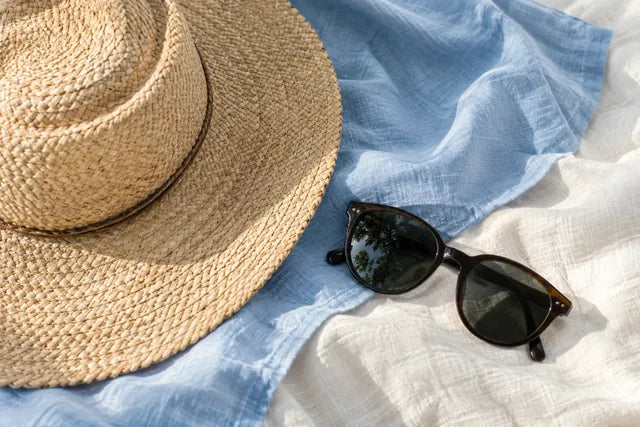
A long-sleeved shirt covers skin you would otherwise need to apply sunscreen to. A wide-brimmed hat helps shield your face, ears and neck. Closely woven fabric or clothing with a UPF rating is useful for this. Add sunglasses with UV protection. For an afternoon walk, you could put a light overshirt and hat beside your bag before heading to the bathroom.
Shade reduces exposure without removing all UV. Apply sunscreen to uncovered skin there too. Choose at least SPF 30; SPF 50 or 50+ offers higher protection, with the same need to apply enough and reapply. A higher factor is no reason to extend your time in direct sun.

What does skin cancer research show?
Research into sunscreen and skin cancer takes years of follow-up. Researchers are looking beyond whether someone is red at the end of a beach day: they need to know whether skin cancer develops later. They also need to examine different skin cancers separately. A finding for one type cannot automatically be applied to every other type.
In Nambour, Australia, daily sunscreen use was compared with use at participants’ own discretion. The original trial lasted 4.5 years. In the follow-up by Van der Pols and colleagues, participants were monitored for a further eight years. There were fewer squamous cell carcinomas in the group previously assigned to daily use. This common skin cancer is often shortened to SCC.
- Squamous cell carcinoma (SCC): the study found a lasting reduction in the number of tumours in the daily-use group.
- Basal cell carcinoma (BCC): the follow-up did not demonstrate a clear reduction in this other common type.
- Melanoma: a later analysis of the same trial found fewer melanomas in the daily-use group. Small case numbers made the size of this effect less precise.
These distinctions help when reading research headlines. “Less skin cancer” is not one fixed percentage applying to every cancer type, skin tone and sunscreen. The practical advice remains clear: regular protection helps. Cancer Council and the American Academy of Dermatology recommend sunscreen as part of sun protection, alongside clothing and shade.
The point is repeated use over time. Applying carefully for a week on holiday is worthwhile, but it cannot make up for every unprotected day during the rest of the year. Choose an approach that works at home: a regular application step, a place for your hat and a tube to take with you. That turns a long-term recommendation into manageable everyday actions.
A practical plan for a day outdoors
Before leaving home
Check the UV index where you are going and consider your plans. A short errand is different from an afternoon-long walk. When UV is high, arrange a longer walk outside the strongest part of the day if possible. Our UV index guide explains the forecast and situations needing extra care.
Apply sunscreen before going outside, following the product instructions. Work steadily around your forehead and hairline, cheeks, nose, chin, ears and exposed neck. Remember the back of your neck when your hair is tied up. Following the same areas each time makes it easier to avoid repeatedly missing a patch.
A tiny dab for your whole face can easily be too little. Cancer Council suggests roughly a teaspoon for an adult’s face, neck and ears together as a practical guide. Read how much sunscreen to use on your face, neck and ears for more detail on amounts and application. The photographs illustrate the action; the cream shown is not a measured full dose.


At lunch or during a long walk
Choose a table well under a parasol, with your chair out of direct sun. Check again later: shade moves while you sit and chat. On a walk, choose a route under trees and plan a shaded break. These small adjustments can fit into your afternoon without cancelling your plans.

Reapply about every two hours outdoors and after swimming, heavy sweating or towel drying. Take a moment to do it properly. Wash or clean your hands where possible, gently remove sweat and spread a fresh, even layer. If your sunscreen is still on the bathroom shelf, this becomes much harder. Put the tube with the things you always take out.
If you are exercising later, treat that as another outdoor outing. Check the protection information on the label and reapply before leaving. Water-resistant does not mean the full layer remains after a sweaty workout or a rub with a towel. Our guide to sunscreen for sport helps you interpret the instructions.


Darker skin, cloudy days and past sun exposure
Does darker skin need protection?
Yes. Darker skin burns less readily, but can still develop UV damage and skin cancer. Choose a sunscreen that spreads comfortably and works with your skin tone, so you keep using enough. Friends with different skin tones can all choose the shaded part of a walk; nobody needs to burn first for sun protection to be useful.

What if the weather is cloudy or cool?
Consider the UV index and how long you will be outside. Cloud or low temperatures alone are not a reason to leave sunscreen behind. A brief outing at low UV is different from prolonged outdoor work, snow or high altitude. Follow any personal advice if you are especially sensitive to UV, for example because of medication.
Is it worth starting after years of little sunscreen use?
Yes. You cannot undo past exposure, but you can help limit further damage. Start with your next outing, then make it easy to repeat. If you have had skin cancer or already attend skin checks, follow your clinician’s protection and follow-up advice. A new sunscreen routine does not replace those appointments.
Have a changing spot checked
Sunscreen protects skin; it is not a treatment for an existing spot. Get to know your skin and contact a doctor if you notice something new or suspicious, or a spot that changes, itches or bleeds. The AAD identifies these as reasons to seek an assessment. Do not wait until your next holiday or until you finish a tube.
You do not need to match the spot to a photograph online. Note what caught your attention and when, so you can explain it at the appointment. People who use sunscreen regularly can still develop skin cancer, so continue to take changes seriously.
Make the next time easy
Keep sunscreen with your daily skincare, put a hat near the door and move the tube into your bag after applying. When taking a break, choose your shaded spot first. Protection and reapplication can then fit around things you already do.
At Soluveli, we are developing a facial sunscreen to fit comfortably into that kind of routine. The formula is still in development. Visit our homepage to read our ambitions, and join the launch list for one email when we launch.
Sources & further reading
6 sources
- WHO — Ultraviolet radiationUV damage, skin cancer, skin tones and protection from UV index 3.
- AAD — How to prevent skin cancerPractical prevention advice and when to have a changing skin spot checked.
- Cancer Council — Sunscreen fact sheetHow sunscreen works and how to use it; the amount covers face, neck and ears together.
- Van der Pols et al., 2006 — Prolonged prevention of squamous cell carcinomaFollow-up of the Australian trial: fewer squamous cell carcinomas, no clear reduction in basal cell carcinomas.
- Green et al., 2011 — Reduced melanoma after regular sunscreen useLater follow-up of the same trial examining melanoma; case numbers were small.
- European Commission — Sunscreen productsEuropean guidance on UVA and UVB protection and the UVA logo.